
The Escape Room Team Building Methodology: Moving from Forced Fun to High-Impact Culture
Co-authored by Hall of Fame speaker Tyler Hayden and escape room industry pioneer Andrew Gipson, this landmark white paper decodes why immersive escape games have eclipsed traditional corporate training. Commissioned by the Association for Room Escapes of North America (ARENA), this framework provides a tactical blueprint for managers to turn an affordable, accessible experience into a measurable driver of corporate cohesion and organizational ROI.
Core Deliverables: 1. Hayden's 3 F's Objectives Framework 2. The 6-Step In-House Facilitation Process 3. Multiple Intelligence & Experiential Learning Integration.
Section 1: The Core Philosophy — Why Escape Rooms?
Axiom: "Escape rooms level the playing field—under the pressure of a ticking clock, corporate hierarchies dissolve and true team dynamics emerge."
For decades, corporate team building focused on physical, high-altitude endurance tests like ropes courses or mountain climbing. While impactful, these physical challenges exclude or intimidate a broad population of modern knowledge workers.
Escape rooms offer a powerful alternative: an intellectual, social, and immersive challenge with no safety harnesses required. When human resource directors treat these experiences as thoughtful investments in training rather than "cookie-cutter forced fun," the impact on a business's bottom line can be profound.
This methodology matters specifically for culture visionaries who want to:
🗝️ Engage all tiers of talent—from entry-level warehouse workers to C-suite executive officers.
🗝️ Bypass organizational silos and establish radical, ego-free team communication.
🗝️ Synergize diverse cognitive profiles to solve complex operational puzzles.
🗝️ Inject authentic, organic fun that naturally builds a deep sense of community.
Section 2: Hayden's 3 F’s of Team Building Objectives
To maximize your team building investment, a leader must first define what type of corporate culture they are trying to build. Tyler Hayden breaks these core objectives down into the Three F's: Fun, Fast Forward, and Fix.
1. Fun (The Bond Builder): Valuable entirely on its own. Fun acts as an immediate ice breaker for new hires and cements bonds between veteran staff. This level happens automatically without external facilitation—simply put your team in a room and let the chemistry happen with activations that have no other specific learning objectives other than "connection, get to know you, bonding, etc.".
2. Fast Forward (The Growth Accelerator): A more rigorous objective focused on moving a team from its current functionality to an advanced, highly productive state. It requires an internal culture builder or external facilitator to help employees leverage individual strengths, decode social dynamics, and optimize communication. These activations are typically aligned with express corporate objectives. The team activity can have the "fun" objectives too - but their primary focus is to help the team learn skills that align with enterprise work like a strategic plan, sales strategy, SAAS product implementation, budgeting, etc. Facilitator uses tools like metaphors and strategic game design to help align the learning transfer.
3. Fix (The Dysfunction Intervener): Targeted alignment designed for teams suffering from acute conflict, counterproductive cliques, or toxic behavior. Using the escape room as a diagnostic environment, an expert facilitator can pinpoint the exact root of team friction and address it during the debrief. These types of activations see the facilitator act often as a mediator, coach, and judge to help groups in crisis. This activation is best done by a highly trained outside facilitator.
The 3 F's Framework
To maximize your team building investment, a leader must first define what type of corporate culture they are trying to build. Tyler Hayden breaks these core objectives down into the Three F's: Fun, Fast Forward, and Fix.
FUN
Valuable entirely on its own. Fun acts as an immediate ice breaker for new hires and cements bonds between veteran staff.
- Designed for organic team chemistry to happen naturally.
- No complex or heavy external facilitation required.
- Focuses strictly on connection, getting to know you, and experiential bonding.
FAST FORWARD
A more rigorous objective focused on moving a team from its current functionality to an advanced, highly productive state.
- Requires an internal culture builder or external facilitator to help employees leverage individual strengths.
- Designed to decode social dynamics and optimize active communication.
- Directly aligned with express corporate objectives like strategic plans, sales strategy, SaaS product implementation, or budgeting.
- Utilizes tools like metaphors and strategic game design to ensure seamless learning transfer.
FIX
Targeted alignment designed specifically for teams currently suffering from acute conflict, counterproductive cliques, or toxic behavior.
- Uses the immersive environment as a diagnostic space to pinpoint the exact root of team friction.
- Enables the facilitator to act as a mediator, coach, and judge to systematically guide groups out of active crisis.
- Best executed by a highly trained outside facilitator to ensure psychological safety during the debrief.
Section 3: The 6-Step In-House Facilitation Process
You do not need a massive budget or an outside consultant to unlock the magic of an escape room. By stepping outside your comfort zone and acting as an ad-hoc facilitator, any manager can drive a massive return on investment by following this step-by-step cycle:
Step 1: Define Goals: Decide upfront if your objective is pure camaraderie (Fun), structural growth (Fast Forward), or conflict resolution (Fix).
Step 2: Identify Options: Select a top-flight room stocked with engaging puzzles and logical flow. Utilize the ARENA directory to locate certified rooms designed for team dynamics rather than just hardcore hobbyist gamers.
Step 3: Choose Challenge: Do your homework. Call local owners and audit their spaces. High price tags do not always equal a superior team-building environment.
Step 4: Foreshadow: Set learning objectives before the team enters the room. Draw explicit parallels between the whimsical game and real-world workplace realities (e.g., "Near the middle of this puzzle, you'll need to pause and synthesize data together, exactly like our Monday morning syncs.").
Step 5: Experience: Let the team play. Step back and observe how individual personalities adapt, delegate, communicate, and react under the pressure of a ticking clock.
Step 6: Debrief & Next Steps: The most vital step for optimizing the experience. Review the parallels to the workplace in detail, review individual contributions, and establish clear operational next steps through continuous coaching and mentoring.
Section 4: The Science Behind the Room — Intelligences & Learning Cycles
The unparalleled success of escape room team building is anchored heavily in two foundational psychological frameworks:
I. Howard Gardner’s Multiple Intelligence Theory
Complex corporate problems are rarely solved by a single type of thinker. Escape rooms are intentionally designed to require a diverse matrix of intellectual strengths to succeed, forcing teams to value cognitive diversity:
Visual/Spatial Thinkers look at the physical geometry and hidden patterns of the room.
Mathematical/Logical Thinkers crack the underlying numerical codes and algorithmic locks.
Linguistic & Interpersonal Thinkers organize information, synthesize clues, and direct the team's verbal communication.
II. David Kolb’s Experiential Cycle of Learning
Applying David Kolb’s educational theory, the escape room serves as a perfect micro-cycle for learning. It forces teams through a rapid four-stage loop:
Concrete Experience: Immersing the team directly into the game.
Reflective Observation: Reviewing performance and team actions during the activity.
Abstract Conceptualization: Realizing the lessons learned about communication and dynamics.
Active Experimentation: Translating those insights back into the actual workplace.
Written by Tyler Hayden and Andrew Gipson - Commissioned by the Association for Room Escapes of North America (ARENA) | [email protected]. Repurposing info requires review; must attribute and backlink to tylerhayden.com and teambuildingschool.com.
What we do.
We connect 100,000+ qualified prospects looking for financial advice, lending, protection, debt help and claims to advisors and brokers every year.
We will always provide the best service.
We don't launch rockets. We just generate leads from Google, Bing and YouTube, connecting them with your team in real time. And you know what, we're bloody good at it.
Get leads from our existing matured campaigns.
Let us build bespoke lead-gen campaigns in your brand.
Deploy our AI sales androids to boost contact rate.
Utilise our proven systems and technology to increase your return on ad spend.

What We Do
Your proven customer acquisition system that increases conversion rates at every step of the customer journey so you can enjoy record breaking sales.
Effective Lead Generation
Strategically focused on high-intent leads generation tactics from Google, Bing, & YouTube.
Database Reactivation
Turn your old data into fresh appointments and sales, utilising our sales android that never rests.
Appointment Setting
Transform your contact rate and campaign profitability with our appointment setting sales android.
Blog
Your proven customer acquisition system that increases conversion rates at every step of the customer journey so you can enjoy record breaking sales.
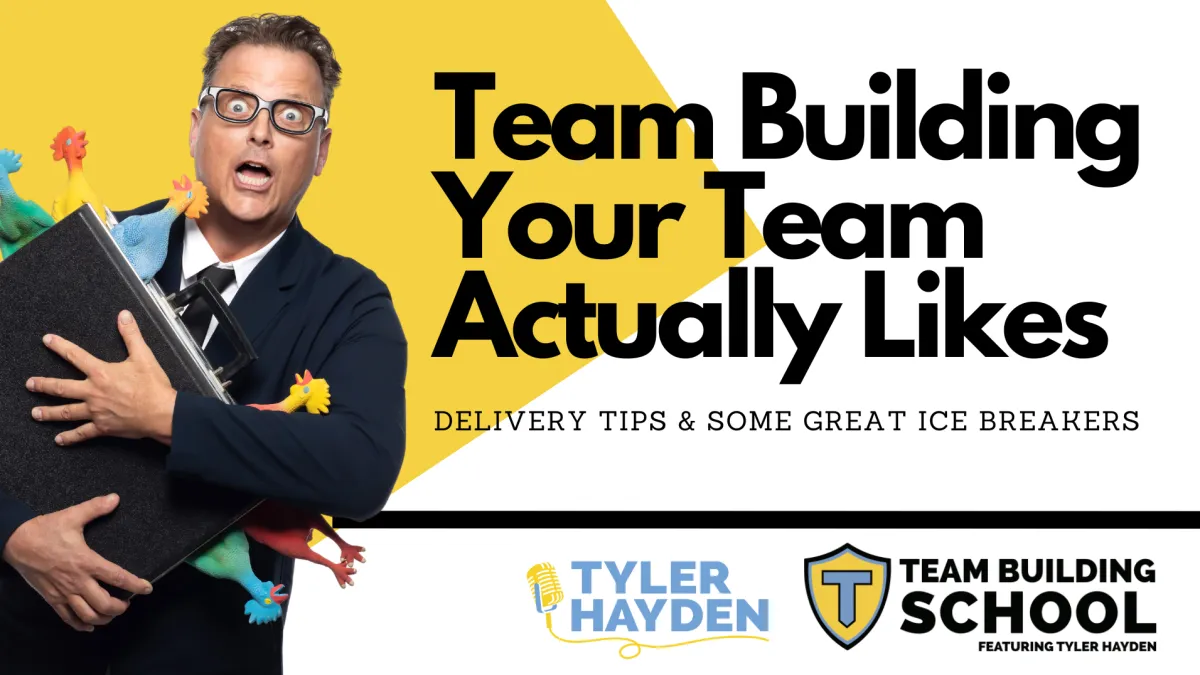
Team Building Your Team Actually Likes - Delivery Tips and Ice Breakers
Delivering team building comes down to good team learning, 6 winning activities, a bunch of tips & a video on Youtube if you want t he full session.
Unlocking the Power of Team Building: Activities That Connect and Engage
Team building isn’t just a buzzword; it’s a vital part of creating a cohesive work environment where everyone feels valued and connected. Today, I’m going to guide you through fifteen impactful activities and share key strategies (in the video and 6 here in the blog) for making these experiences meaningful.
The Importance of Team Building
Let’s be honest: finding team building activities that everyone enjoys can feel like trying to find a cat that likes to flip burgers—it’s challenging! Often, you might encounter that familiar cringe when suggesting activities because someone had a negative experience in the past. But here’s the kicker: team building is crucial for enhancing safety, improving sales, and boosting employee retention. It’s not just about fun; it’s about creating an environment where people can learn and grow together.
Are You in the Right Place?
If you manage a team and want to foster better connections, or if you’re tired of traditional, stale team building activities, you’re in the right spot. I’ll provide you with fresh, tested activities that resonate with today’s workforce. The goal is to ensure that your team feels their time is well spent, and that they walk away feeling more connected.
Good Team Building Equals Good Team Learning
Here’s my philosophy: good team building is synonymous with good team learning. Every team building event should be viewed as a learning opportunity—an occasion to enhance productivity, trust, and the essential skills that contribute to our success. When we treat our teams as learning units, we can design activities that yield significant outcomes.
Understanding Learning Styles
Howard Gardner, a Harvard professor, introduced the concept of multiple intelligences in his book “Frames of Mind.” This framework can be a game-changer for team building. Understanding the diverse learning styles within your team—whether they are kinesthetic, mathematical, logical, or visual—will help you select activities that resonate with everyone.
Team Building Activities You Can Implement Today
Now, let’s dive into the activities! Here’s a sneak peek at some of the fun and effective team building exercises you can try out:
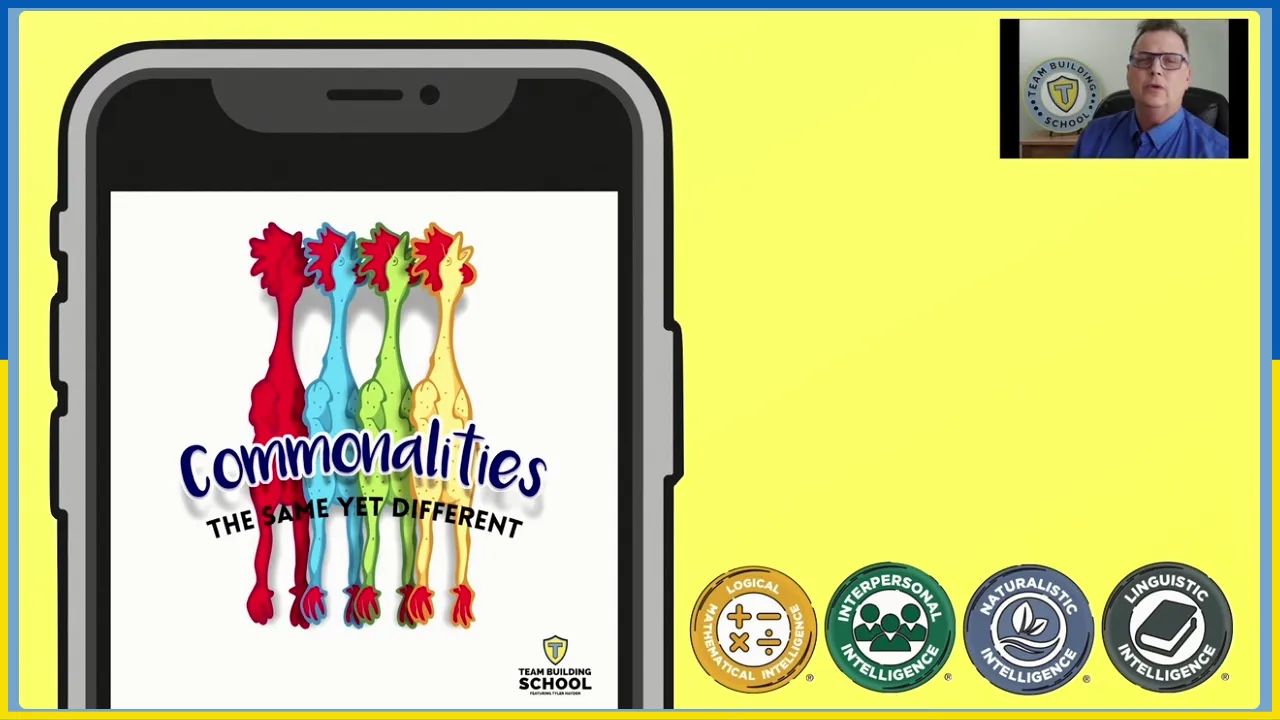
1. Commonalities
This activity is fantastic for both mathematical-logical and interpersonal learners. Break your team into smaller groups and challenge them to find commonalities among themselves. The catch? They can’t state the obvious! For instance, instead of saying, “We all have hair,” they might discover they all have traveled overseas. The team with the longest list wins!
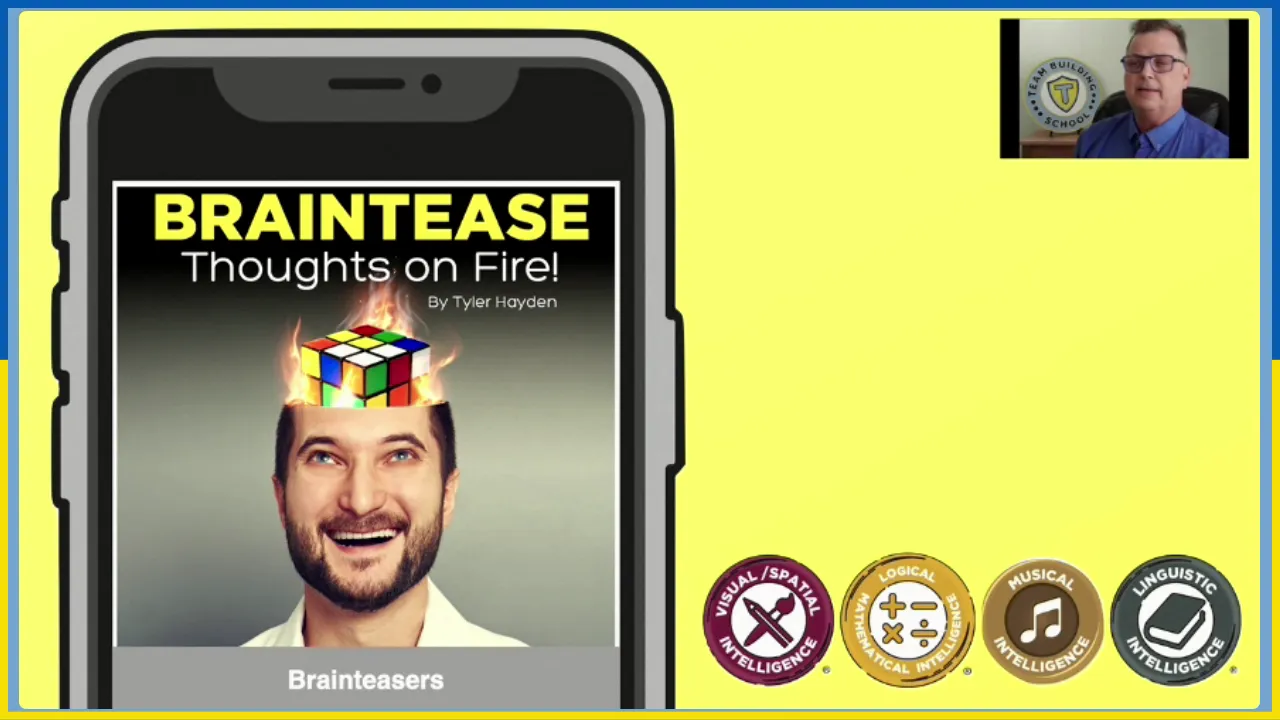
2. Braintease
Perfect for strategic thinking, brainteasers can help your team engage in problem-solving. Present a series of brainteasers during a planning session to stimulate strategic thought and collaboration.
3. Coffee Talk
This fast-paced activity allows team members to connect on a personal level. Pose open-ended questions, like “My dream vacation is…” and give each person a minute to share their thoughts. This not only fosters interpersonal relationships but also encourages active listening.
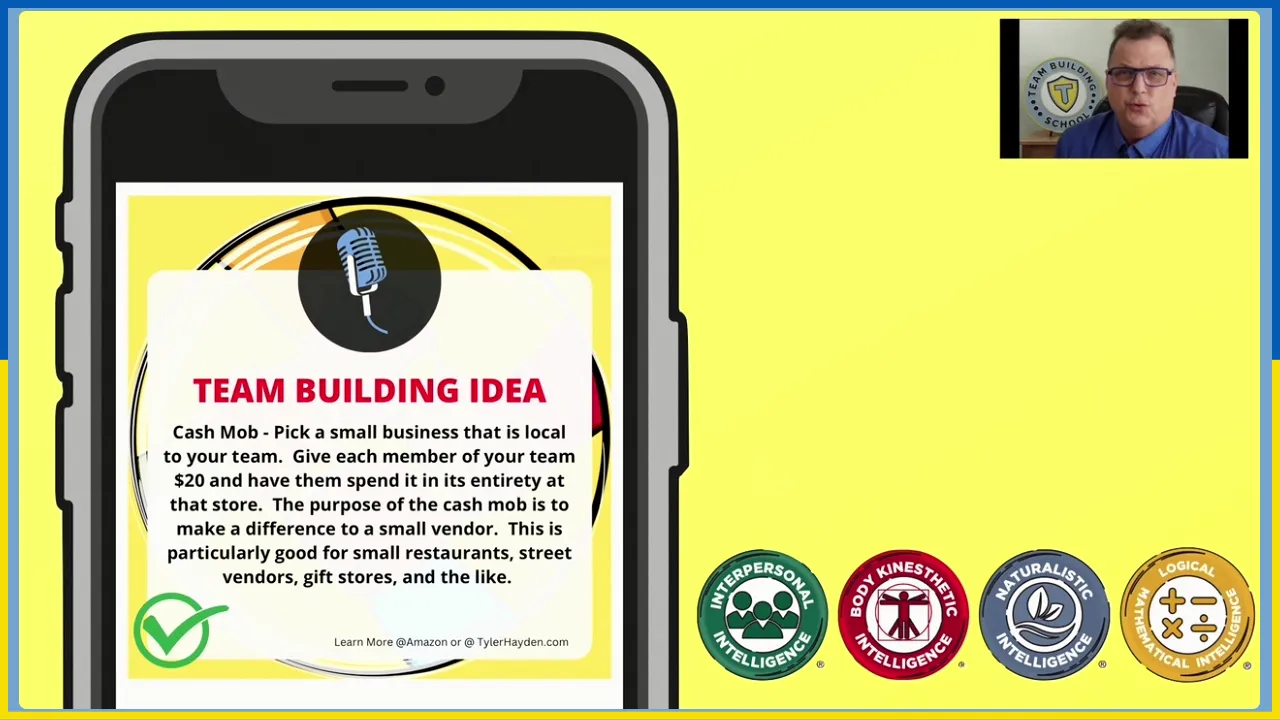
4. Cash Mob
Take your team out for lunch, but here’s the twist: each member receives a small amount of cash to spend at a local vendor. This not only encourages team bonding but also supports local businesses.
5. Two Thumbs Up
This fun activity involves passing around cards with questions. Each person shares their answer while others react with thumbs up or down. It’s a great way to gauge opinions while encouraging lighthearted conversation.
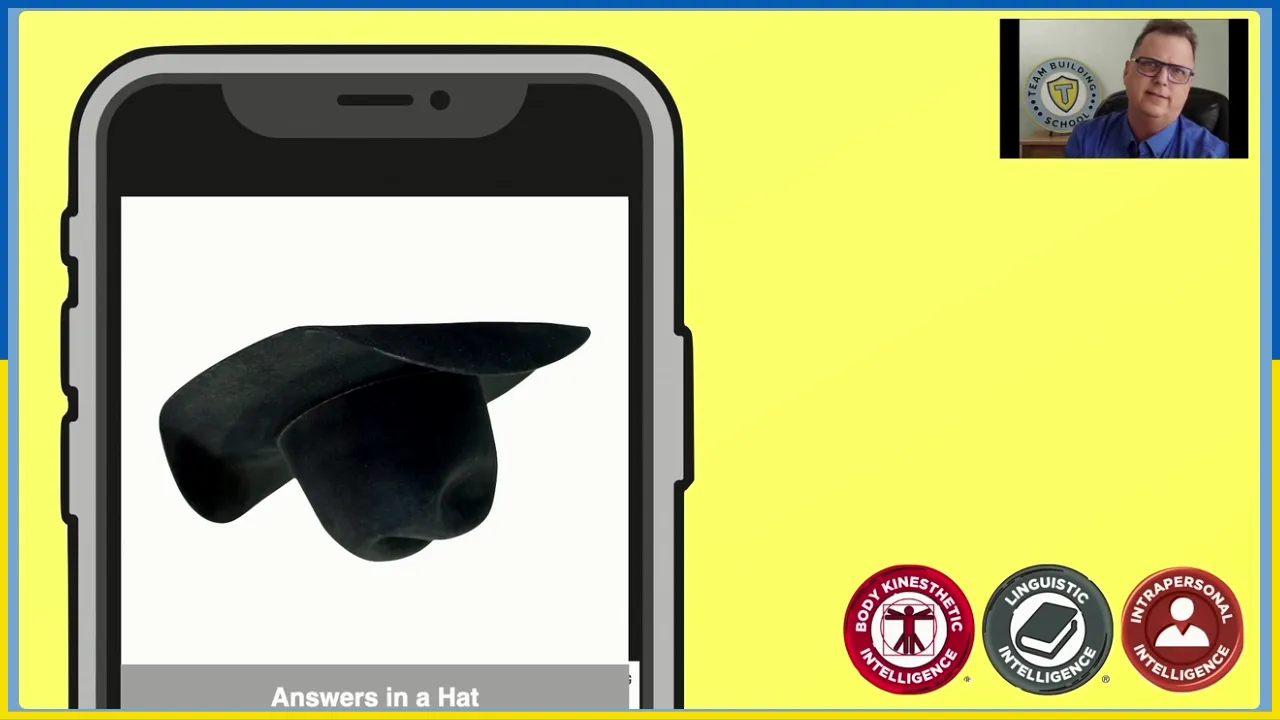
6. Answers in a Hat
In this activity, everyone writes down answers to a question and tosses them into a hat. This allows for anonymous sharing and can spark engaging discussions during debriefing.
The Three F's of Team Building
When planning your team building activities, keep in mind the three F’s: Fun, Fast Forward, and Fix. Here’s how they work:
Fun: This is the classic aspect of team building that everyone knows and loves.
Fast Forward: Use team building as a way to enhance training sessions, helping to solidify learning in a fun way.
Fix: If your team is facing challenges, use team building to address those issues constructively.
Final Thoughts
Team building is not just an activity; it’s a strategy for improving engagement, productivity, and retention within your team. By understanding your team’s learning styles and implementing a variety of activities, you can create a more cohesive and motivated workforce. Remember, the goal is to create an environment where everyone feels valued and connected.
If you're looking for more resources or want to dive deeper into team building strategies, consider joining my Team Building School. Together, we can create extraordinary experiences from ordinary activities!
Thank you for joining me today! I’m excited to see how you implement these ideas in your teams.
Free Stuff!
Join us at Team Building School
Unlocking the Power of Team Building: Activities That Connect and Engage
Team building isn’t just a buzzword; it’s a vital part of creating a cohesive work environment where everyone feels valued and connected. Today, I’m going to guide you through fifteen impactful activities and share key strategies (in the video and 6 here in the blog) for making these experiences meaningful.
The Importance of Team Building
Let’s be honest: finding team building activities that everyone enjoys can feel like trying to find a cat that likes to flip burgers—it’s challenging! Often, you might encounter that familiar cringe when suggesting activities because someone had a negative experience in the past. But here’s the kicker: team building is crucial for enhancing safety, improving sales, and boosting employee retention. It’s not just about fun; it’s about creating an environment where people can learn and grow together.
Are You in the Right Place?
If you manage a team and want to foster better connections, or if you’re tired of traditional, stale team building activities, you’re in the right spot. I’ll provide you with fresh, tested activities that resonate with today’s workforce. The goal is to ensure that your team feels their time is well spent, and that they walk away feeling more connected.
Good Team Building Equals Good Team Learning
Here’s my philosophy: good team building is synonymous with good team learning. Every team building event should be viewed as a learning opportunity—an occasion to enhance productivity, trust, and the essential skills that contribute to our success. When we treat our teams as learning units, we can design activities that yield significant outcomes.
Understanding Learning Styles
Howard Gardner, a Harvard professor, introduced the concept of multiple intelligences in his book “Frames of Mind.” This framework can be a game-changer for team building. Understanding the diverse learning styles within your team—whether they are kinesthetic, mathematical, logical, or visual—will help you select activities that resonate with everyone.
You can watch the whole Linkedin Live here on Youtube: https://youtu.be/TLttK2weBhA
Team Building Activities You Can Implement Today
Now, let’s dive into the activities! Here’s a sneak peek at some of the fun and effective team building exercises you can try out:
1. Commonalities
This activity is fantastic for both mathematical-logical and interpersonal learners. Break your team into smaller groups and challenge them to find commonalities among themselves. The catch? They can’t state the obvious! For instance, instead of saying, “We all have hair,” they might discover they all have traveled overseas. The team with the longest list wins!
2. Braintease
Perfect for strategic thinking, brainteasers can help your team engage in problem-solving. Present a series of brainteasers during a planning session to stimulate strategic thought and collaboration.
3. Coffee Talk
This fast-paced activity allows team members to connect on a personal level. Pose open-ended questions, like “My dream vacation is…” and give each person a minute to share their thoughts. This not only fosters interpersonal relationships but also encourages active listening.
4. Cash Mob
Take your team out for lunch, but here’s the twist: each member receives a small amount of cash to spend at a local vendor. This not only encourages team bonding but also supports local businesses.
5. Two Thumbs Up
This fun activity involves passing around cards with questions. Each person shares their answer while others react with thumbs up or down. It’s a great way to gauge opinions while encouraging lighthearted conversation.
6. Answers in a Hat
In this activity, everyone writes down answers to a question and tosses them into a hat. This allows for anonymous sharing and can spark engaging discussions during debriefing.
The Three F's of Team Building
When planning your team building activities, keep in mind the three F’s: Fun, Fast Forward, and Fix. Here’s how they work:
Fun: This is the classic aspect of team building that everyone knows and loves.
Fast Forward: Use team building as a way to enhance training sessions, helping to solidify learning in a fun way.
Fix: If your team is facing challenges, use team building to address those issues constructively.
Final Thoughts
Team building is not just an activity; it’s a strategy for improving engagement, productivity, and retention within your team. By understanding your team’s learning styles and implementing a variety of activities, you can create a more cohesive and motivated workforce. Remember, the goal is to create an environment where everyone feels valued and connected.
If you're looking for more resources or want to dive deeper into team building strategies, consider joining my Team Building School. Together, we can create extraordinary experiences from ordinary activities!
Thank you for joining me today! I’m excited to see how you implement these ideas in your teams.


Check Tyler's Availability for Your Next Event
Grab a time to connect or shoot us an email.
Follow Us & Join the Conversation


Locations Served
Shop, Learn, and Explore
Speaker Topics
Location and Contact
(902) 541-0858
23 Horizon Road
Bedford, Nova Scotia B4A 3N2
Canada
© 2026 Tyler Hayden Inc. All rights reserved.