Banff & Canmore Motivational Speaker
Top Motivational Speaker and Team Building in Banff and Canmore: Elite Executive Retreats in the Canadian Rockies
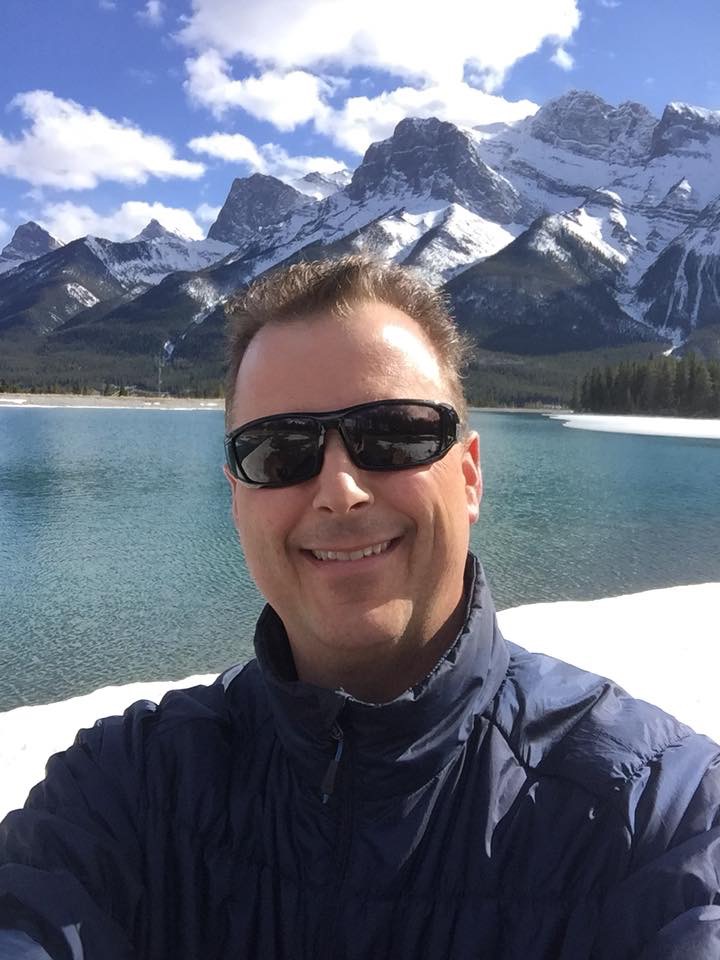
There isn't a time of year that Banff and Canmore aren't absolutely beautiful! Great venues for retreats, meetings and conferences.
Elevate your leadership perspective and ignite your organization's potential at the peak of North American conference destinations. Traveling regularly to the Bow Valley, Hall of Fame corporate speaker and experiential learning designer Tyler Hayden has been transforming workplace cultures, accelerating employee engagement, and running high-stakes team simulations in Banff and Canmore since 1996.
The stunning backdrop of the Canadian Rockies demands an equally magnificent event experience. Banff and Canmore represent the gold standard for high-level executive summits, corporate rewards trips, and strategic annual retreats. Tyler seamlessly merges the majestic energy of the mountains with data-backed keynotes and experiential workshops engineered to align your people and drive sustainable operational momentum.
You're probably wondering what this is all about ...
Trusted by Premier National Insurers, Enterprise Manufacturers, and Industrial Builders
With three decades of stage experience navigating complex workplace dynamics, Tyler is the premium speaker corporate planners trust when executing high-value mountain retreats. He has delivered custom, high-retention programs for top-tier national insurers, manufacturing giants, and premier builders, including:
Intact Insurance
Parmalat
Integrity Post Structures
Watch the Showreel
Check out some of Hall of Fame Motivational Speaker Tyler Hayden's Sizzle Reels
DisruptHR Speaker
Motivational Speaker Reel
TEDx Speaker
Top Keynote Speaker and Team Building Expert in Banff & Canmore
Tailored for Executive-Level Alignment
A corporate retreat in Banff or Canmore isn’t just a vacation—it is a critical investment in your company’s top talent and future strategy. Tyler’s specialized learning frameworks are designed to match this high-stakes environment, combining rigorous organizational science with hands-on simulations to ensure your leadership team leaves fully unified, focused, and ready to execute your vision.
Strategic Keynote Topics for Banff Conferences
Modern event organizers need concrete solutions to systemic workplace issues like executive burnout, change fatigue, and hybrid team friction. Tyler’s core keynotes provide immediate, executive-level ROI.
Flipping the Narrative — Leveraging AI & the 6 Dimensions of Team Engagement
The Strategic Focus: Workforce Performance, Cultural Mapping, and Modern Agility.
The Framework: Discover how to integrate Tyler’s proprietary platform, RubberChicken.ai, into your everyday management toolkit. By diagnosing team friction in real-time and leveraging the distinct behavioral strengths of the "6 Rubber Chickens," managers leave with a data-driven blueprint to spark immediate psychological safety and team connection.
The Business that Cared — Driving ROI & Sustainable Growth Through Culture Design
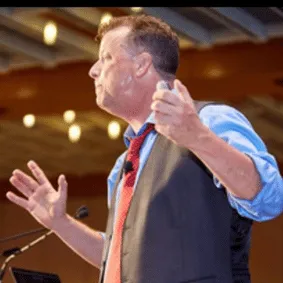
The Strategic Focus: Burnout Prevention, Employee Lifetime Value (ELV), and Compassionate Leadership.
The Framework: Based on the core philosophies of The Business That Cared About People, this session reframes operational empathy into a high-yield business strategy, giving leaders the practical tools required to eliminate costly turnover.
Livin’ Life Large™ — Maximizing Resilience and Mindset Ownership of Teams
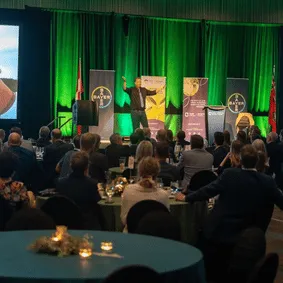
The Strategic Focus: Sustainable Performance, Corporate Wellness, Human Centred Leadership and Talent Retention.
The Framework: High-performing organizations require sustainable human energy. This flagship keynote delivers data-backed, actionable habits to combat workplace burnout, elevate mental fitness, and keep corporate teams performing at their peak under pressure.
Premium Corporate Team-Building Workshops in Canmore
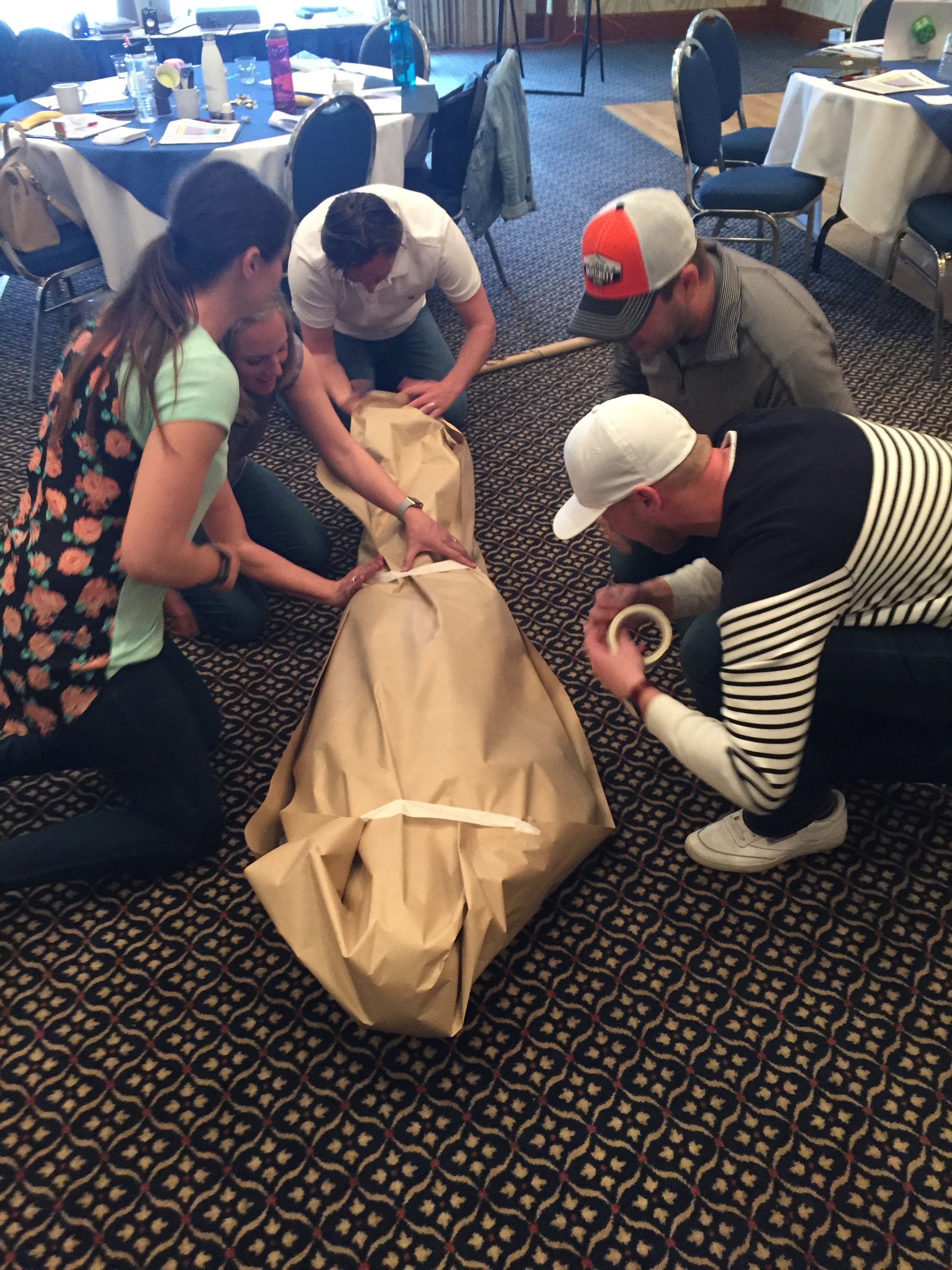
Move past passive lectures. Tyler designs high-stakes behavioural simulators engineered to break down institutional silos, test communication under pressure, and force cross-functional execution.
The Nabcar Challenge — Driving Cross-Functional Synergy and High-Speed Execution
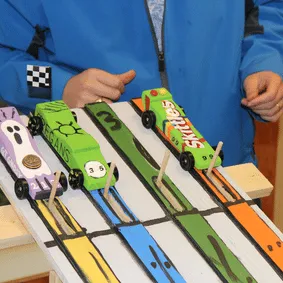
An intense, hands-on physical team simulation where groups collaborate to design, build, and race custom vehicles. This workshop forces teams to optimize limited resources, communicate flawlessly across departments, and execute a collective strategy under a strict timeline.
Driving The Better Bus — Strategic Alignment, Direction, and Operational Velocity
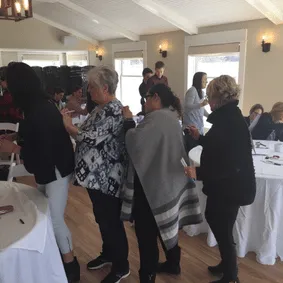
An experiential workshop tailored for organizations navigating change, corporate restructuring, or strategic resets. This program provides an actionable framework for getting the right people in the right seats and aligning your entire workforce toward a unified corporate mission.
In It to Win It — Simulating Agility, Communication, & Competitiveness that builds Energy
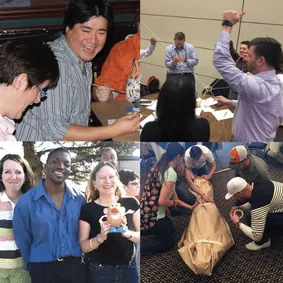
Best in class competitive team based challenge that showcases learning objectives thought memorable activity and content. Your team will engage in a series of events that will showcase your most relevant and important steps forward based on industry research and pre-event intake.
CASE STUDY: Unleashing High-Energy Momentum for 350 Sales Professionals
“I facilitated a massive team-alignment program for a prominent food service company celebrating a record-breaking year of growth. They brought 350 of their top sales professionals to the mountains, and our objective was to reinforce the exact skill sets and sales strategies that brought them to this pinnacle—while throwing an unforgettable celebration.
We broke the 350 people into 30 competing teams for a high-intensity experiential simulator. We mirrored each custom challenge directly with one of their core sales strategies, awarding points for both tactical victory and team spirit. The energy in that conference room was completely intoxicating. At one point, the entire crew was leaning in so close with excitement that I actually had to ask them to take a few steps back!
Teams were laughing hysterically while throwing playing cards at cut-up watermelon like a live-action game of fruit ninja, exploding rubber gloves, and catching flying bananas. By breaking down their corporate armor through high-energy, purposeful play, we didn't just celebrate their past success—we forged an unbreakable, unified culture ready to dominate the next fiscal year.”
Crafting the Ultimate Rocky Mountain Destination Experience
Banff and Canmore offer a legendary backdrop that combines breathtaking, world-class wilderness with sophisticated, luxury conference infrastructure.
If you are an out-of-province meeting planner coordinating a high-profile destination event in the region, Tyler loves helping you integrate the absolute best of the local landscape into your itinerary. From exploring the iconic, turquoise waters of Lake Louise and Moraine Lake to traversing the ancient ice sheets of the Columbia Icefield, the area provides an unmatched sense of scale and inspiration.
Tyler is a massive fan of the Bow Valley lifestyle. He can easily point your VIPs toward the best trails for epic mountain biking, the absolute premier alpine slopes for world-class skiing, or the perfect spot to unwind and talk strategy while chilling in the local hot springs. Tyler ensures your attendees experience an elite, East Coast meets West Coast hospitality experience.
Ensure your next Rocky Mountain conference or executive retreat leaves a lasting impact. Secure a Hall of Fame speaker who understands the local business landscape and delivers elite corporate results.
Book a Consultation for Your Banff or Canmore Event Today
What we do.
We connect 100,000+ qualified prospects looking for financial advice, lending, protection, debt help and claims to advisors and brokers every year.
We will always provide the best service.
We don't launch rockets. We just generate leads from Google, Bing and YouTube, connecting them with your team in real time. And you know what, we're bloody good at it.
Get leads from our existing matured campaigns.
Let us build bespoke lead-gen campaigns in your brand.
Deploy our AI sales androids to boost contact rate.
Utilise our proven systems and technology to increase your return on ad spend.

What We Do
Your proven customer acquisition system that increases conversion rates at every step of the customer journey so you can enjoy record breaking sales.
Effective Lead Generation
Strategically focused on high-intent leads generation tactics from Google, Bing, & YouTube.
Database Reactivation
Turn your old data into fresh appointments and sales, utilising our sales android that never rests.
Appointment Setting
Transform your contact rate and campaign profitability with our appointment setting sales android.
Blog
Your proven customer acquisition system that increases conversion rates at every step of the customer journey so you can enjoy record breaking sales.
What Makes a Team Actually Work Well Together
Everyone has an opinion on what makes a great team.
Trust. Communication. Psychological safety. Accountability. The list of buzzwords is long, and most of them aren’t wrong — they’re just incomplete.
After 30 years of working with teams across healthcare, construction, finance, government, and beyond, here’s what I’ve found to be true: the teams that genuinely work well together aren’t defined by the absence of problems. They’re defined by what they’re collectively moving toward.
Everything else — the trust, the communication, the camaraderie — flows from that.
The Real Foundation: Shared Purpose
Ask a room full of managers what makes a great team and you’ll hear trust and communication within the first 30 seconds. And yes — those things matter enormously.
But go deeper, and you’ll find something underneath both of them: shared purpose.
A team that is genuinely aligned around why their work matters — not just what they’re doing, but the reason it’s worth doing well — functions at a completely different level than one that isn’t. Trust grows faster. Communication improves naturally. People extend grace to each other during difficult moments because they understand what’s at stake.
Without shared purpose, trust and communication become performance. With it, they become instinct.
The leader’s job — above almost everything else — is to build that crystal-clear vision and mission at the outset, not as an afterthought. And then, critically, to keep showing the team how their individual efforts are contributing to it.
Showing Progress Is the Work
Most leaders state the mission. Great leaders show how the team is getting there.
There’s a meaningful difference between telling your team “our goal is to improve patient outcomes” and actually sitting down with them — regularly — to show how the work they did last week moved the needle. How their individual outputs are adding up. How close they are to where they said they’d be.
That practice — the deliberate, visible connection between daily action and collective purpose — is one of the most powerful things a leader can do to build a cohesive, motivated team. And it’s one of the most consistently skipped.
Teams disengage when they can’t see the point of what they’re doing. They re-engage when someone takes the time to show them the scoreboard.
A Case Study: 25 Silos Become One Team
I was brought in to work with a group of 25 healthcare leaders — each responsible for a different area of facility and human resource management within a single health system.
On paper, they were a leadership team. In practice, they were 25 separate silos, each solving their own problems in isolation.
Over several sessions, we created space for each person to share what was actually going on in their area — real problems, real pressures, real challenges. No agenda. No performance. Just honest conversation.
Within a few weeks, something shifted.
They started to recognize each other’s problems. The siloes started to look more like shared walls. The issues one leader was struggling with were almost identical to what the person across the table was dealing with — they just hadn’t known it, because no one had ever put them in the same room with the same purpose before.
They started offering solutions. They started lending support. And eventually, they stopped seeing themselves as 25 individual leaders and started operating as one cohesive unit — because they saw the clear benefit of attacking the same problems together.
That shift didn’t come from a trust exercise. It came from shared context and shared problems. Purpose emerged from the conversation, not the other way around.
Conflict Is Not the Enemy
Here’s where I push back on conventional leadership advice: conflict is not something to be managed away. It’s something to be managed well.
Healthy friction keeps teams out of groupthink. It fuels innovation. It surfaces blind spots that consensus would have buried. It builds resilience — because a team that has navigated real disagreement and come out stronger is far more capable than one that’s never been tested.
The teams I’ve seen stagnate the most are the ones where everyone agrees with everyone, all the time. That’s not harmony — that’s avoidance. And avoidance has a ceiling.
The manager’s job isn’t to eliminate conflict. It’s to create the conditions where constructive tension can exist without spinning out of control — where no single voice dominates, where debate is welcomed, and where disagreement is a tool rather than a threat.
Teams that can fight well together — respectfully, productively, with the mission as their north star — are the ones that make the best decisions.
The Most Underrated Thing a Manager Can Do
I’ve asked this question to thousands of managers over the years: what’s the most powerful thing you can do for your team?
Very few land on the right answer.
It’s this: celebrate others. Deliberately. Consistently. Based on real metrics.
When a manager takes the time to genuinely showcase the people doing great things — not with empty praise, not with performative recognition, but with specific, meaningful acknowledgment tied to actual behaviors and outcomes — something quietly powerful happens.
Others start to aim higher. People feel seen. The team begins to develop a culture of celebration that generates its own momentum.
The key is to start with the low-hanging fruit. Find the simple wins early. Celebrate them visibly. Build the muscle before the stakes get high.
And make sure the recognition is earned — tied to something observable and real. Recognition that isn’t grounded in anything specific rings hollow. Recognition that’s specific, meaningful, and timely? That sticks. That’s the kind that changes behavior.
When the Team Is Broken: The Three F’s
Not every team needs the same kind of intervention. Over the years, I’ve developed a framework I call the Three F’s of Team Building:
· Fun — when the team is healthy and you want to energize and connect
· Fast Forward — when the team is functional but ready to accelerate performance by applying team building to learning new skills or functions on the job
· Fix — when something is broken and needs real attention
Most blog posts about team building are written with Fun in mind. But the most important work happens in Fix.
When a team has a history of conflict, low trust, or unresolved resentment, here’s where I start: a group contract.
Not a mission statement. Not a values poster. A living document built by the team, with the team, that answers two questions:
· What behaviors do we want to see from each other?
· What behaviors are we agreeing to leave behind?
Every person in the room contributes one answer to each. Every answer goes on the contract. The group discusses, agrees, and signs off — not because someone told them to, but because they built it themselves.
That first act of collective agreement — however small — is the first win. And first wins matter enormously when you’re rebuilding trust. They prove that the team can reach agreement. That they can work together. That the path forward exists.
You build from there.
What a High-Performing Team Actually Feels Like
I want to be honest with you here, because I think this question deserves a real answer rather than a tidy one.
High-performing teams feel different from team to team. Warren Bennis, in his brilliant work Organizing Genius, studied some of the greatest creative teams in history — and while he found commonalities, what’s striking is how different each of those teams actually was from one another.
The best teams I’ve been fortunate enough to work with are like artwork. Each one unique. Each one shaped by the specific combination of people, purpose, pressure, and moment that created it.
And here’s the thing: what felt like a peak team experience to me may not have felt that way to everyone on it. Because what a high-performing team feels like is deeply personal — it’s shaped by what you brought in as your expectations, and how thoroughly those expectations were met or exceeded.
Which brings everything full circle.
The reason vision and shared purpose matter so much at the beginning isn’t just strategic. It’s because that clarity is what allows every person on the team to calibrate their expectations against a common reference point. When everyone understands why the team was built, what it’s trying to accomplish, and how success will be measured — that’s when individual satisfaction and collective performance start to align.
That’s when a team stops being a group of people doing jobs and starts being something worth being part of.
Your Monday Morning Moves
· ✅ Clarify the mission — not a slogan, a real, specific purpose that your team helped shape
· ✅ Show progress visibly — connect daily work to the bigger picture, regularly
· ✅ Welcome friction — create space for healthy debate without letting it spiral
· ✅ Celebrate deliberately — find the low-hanging fruit and start building a culture of recognition now
· ✅ Know your team type — Fun, Fast Forward, or Fix? The intervention should match the situation
· ✅ Build a contract — if trust is broken, start with shared agreements, not trust exercises
· ✅ Set the vision first — everything else depends on it
Fun is the delivery. Better teams and energy on Monday is the point.
If you want a customized team building experience designed around where your team actually is — not a one-size-fits-all program — let’s talk.
And if you’re a manager who wants ready-to-use tools for building stronger teams without starting from scratch, explore Team Building School and Rubber Chicken AI.
Tyler Hayden CSP, HoF is Canada’s Hall of Fame Motivational Speaker, author of 25+ books, and founder of Team Building School and Rubber Chicken AI. He has spent 30 years helping organizations build teams that people genuinely want to be part of.


Check Tyler's Availability for Your Next Event
Grab a time to connect or shoot us an email.

Motivational Speaker & Team Building
Shop, Learn, and Explore
Follow Us & Join the Conversation


Motivational Speaker & Team Building in Canada
Hot Topics for Motivational Speaker in Canada
© 2026 Tyler Hayden Inc. All rights reserved.