
Ottawa Motivational Speaker
Top Motivational Speaker in Ottawa: Delivering High-Impact Corporate Keynotes & Team Building in Ontario
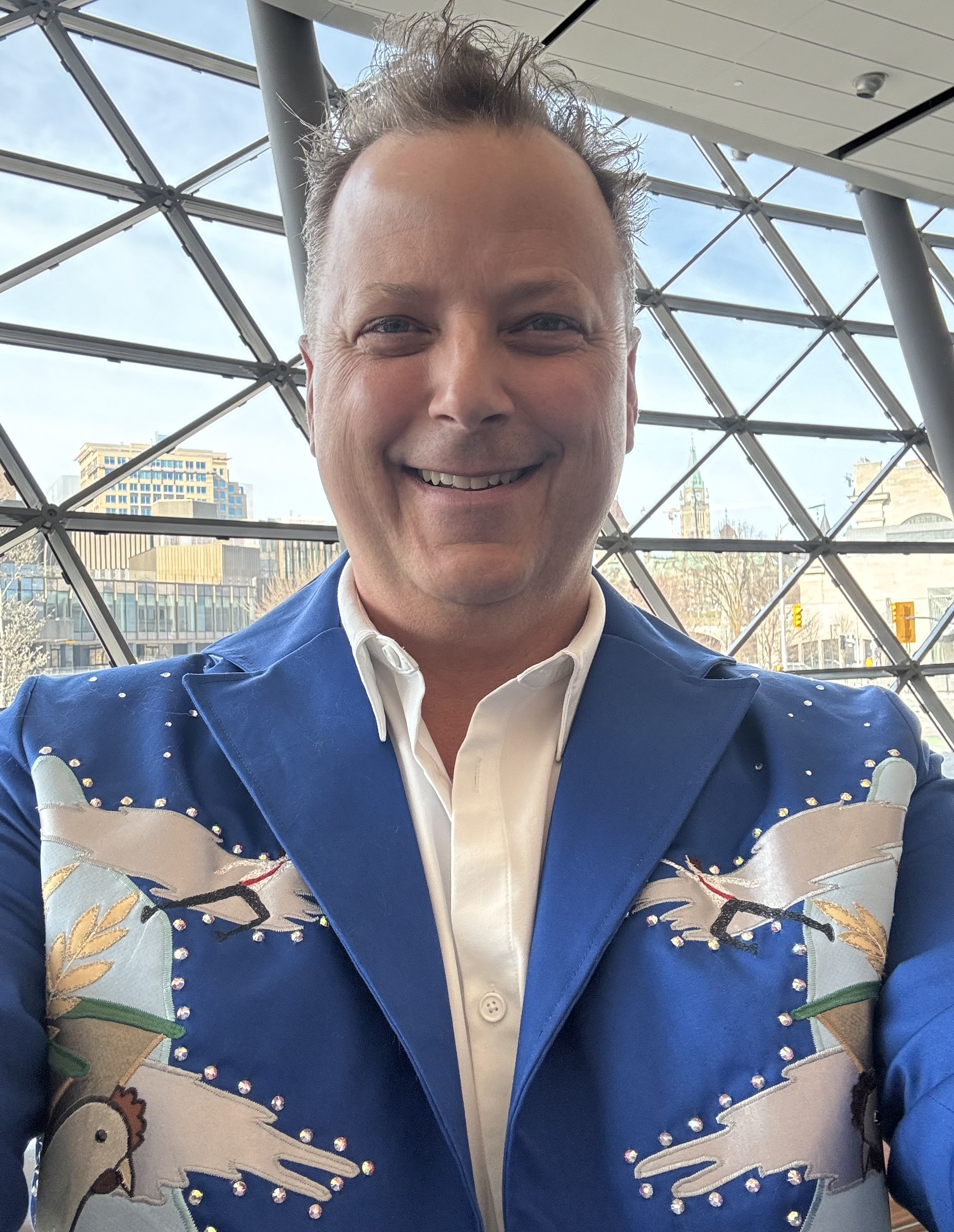
At the Rogers Centre - Sporting my new Jacket Meg and the Kids had made for me for my 50th Birthday
Inspire strategic ownership and elevate your next conference or professional development retreat in Canada's capital. Based in Atlantic Canada and traveling regularly to Ontario, Hall of Fame motivational speaker and learning design consultant Tyler Hayden has been empowering public sector executives, national associations, and top-tier corporate workforces across Ottawa since 1996.
Ottawa represents a unique, highly professional marketplace driven by government agencies, national law firms, and educational institutions. Whether you are coordinating an annual conference downtown or a senior leadership retreat, Tyler delivers tailored, data-backed keynotes and experiential team-building programs engineered to bridge departmental silos and spark immediate workforce resilience.



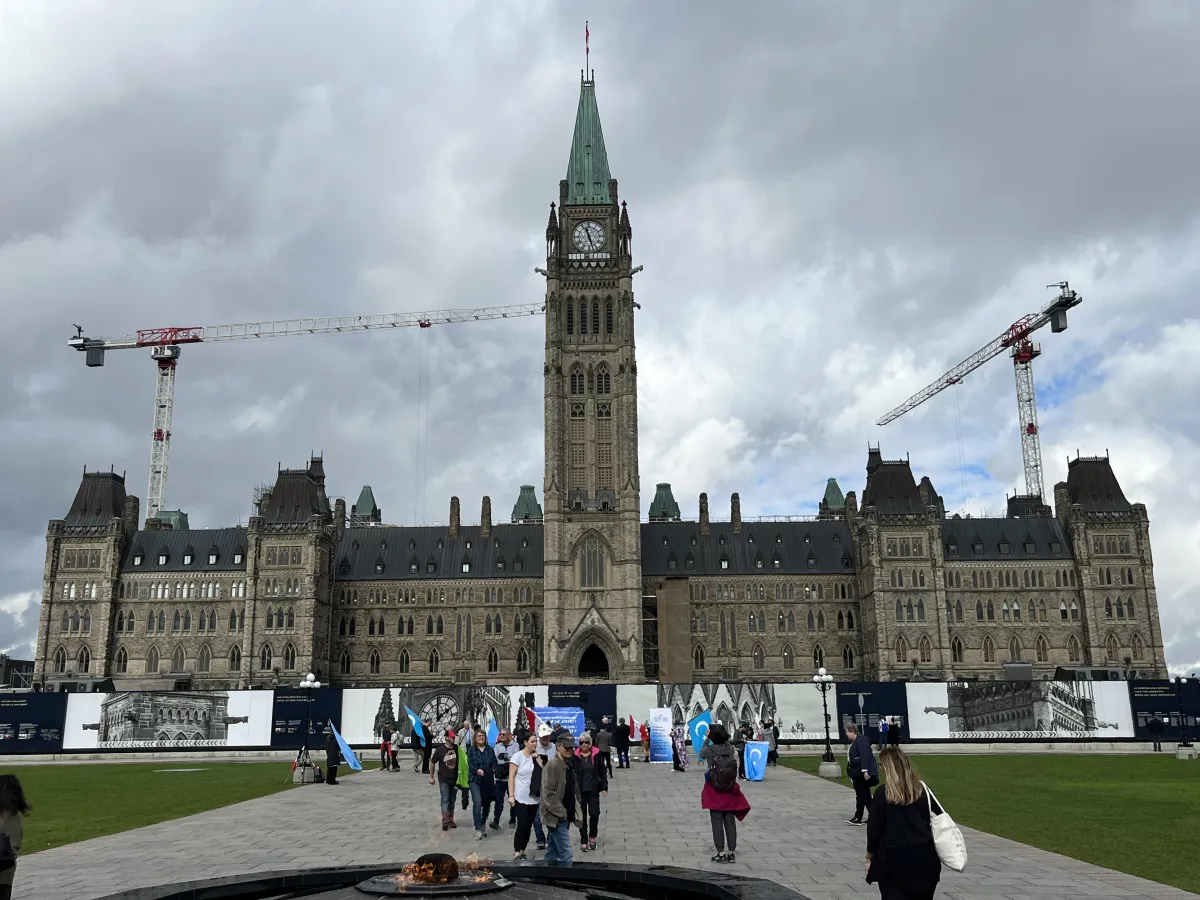
Peace Tower - so proud to be a Canadian.
Trusted by Premier National Law Firms, Public Sector Agencies, and Boards in Ottawa
With three decades of experience engineering impactful learning environments, Tyler is the corporate speaker Ottawa organizations trust when alignment and retention are critical. He has proudly partnered with major institutional bodies, law firms, and public commissions in the capital, including:
Borden Ladner Gervais LLP (BLG)
National Capital Commission (NCC)
Ottawa-Carleton District School Board
Health Canada
Watch the Showreel
Check out some of Hall of Fame Motivational Speaker Tyler Hayden's Sizzle Reels
DisruptHR Speaker
Motivational Speaker Reel
TEDx Speaker
Top Keynote Speaker and Team Building Expert in Ottawa
Bridging the Gap Between Policy and Culture
Whether navigating complex regulatory shifts in a public sector branch or driving strategic alignment within a premier corporate framework, Tyler's sessions translate abstract corporate directives into human-centric, actionable daily routines. His tailored workshops ensure teams move forward in perfect structural harmony.
Strategic Keynote Topics for Ottawa Conferences and Seminars
Modern event organizers need concrete solutions to systemic workplace issues like employee burnout, cultural friction, and hybrid isolation. Tyler’s core keynotes provide immediate, executive-level answers.
Flipping the Narrative — Leveraging AI & the 6 Dimensions of Team Engagement
The Strategic Focus: Workforce Performance, Cultural Mapping, and Modern Agility.
The Framework: Learn how to deploy Tyler’s proprietary system, RubberChicken.ai, to instantly diagnose institutional friction. By mapping out and actively utilizing the individual behavioral profiles of the "6 Rubber Chickens," managers leave with a clear, data-driven framework to establish psychological safety and team alignment.
The Business that Cared — Driving ROI & Sustainable Growth Through Culture Design
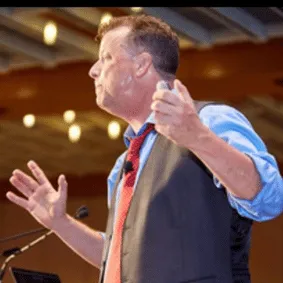
The Strategic Focus: Burnout Prevention, Employee Lifetime Value (ELV), and Compassionate Leadership.
The Framework:Built on the core philosophies of The Business That Cared About People, this session reframes cultural empathy into a high-yield operational strategy, equipping leaders with the practical tools required to eliminate costly turnover.
Livin’ Life Large™ — Maximizing Resilience and Mindset Ownership of Teams
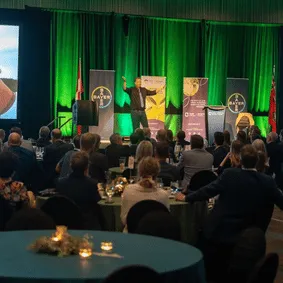
The Strategic Focus: Sustainable Performance, Corporate Wellness, Human Centred Leadership and Talent Retention.
The Framework: High-performing organizations require sustainable human energy. This flagship keynote delivers data-backed, actionable habits to combat workplace burnout, elevate employee wellness, and keep corporate teams performing at their peak under tight regulatory pressures.
Premium Corporate Team-Building Workshops in Ottawa
Move beyond basic icebreakers. Tyler designs high-stakes behavioral simulators engineered to break down institutional silos, test communication under pressure, and force cross-functional execution.
The Nabcar Challenge — Driving Cross-Functional Synergy and High-Speed Execution

An intense, hands-on physical team simulation where groups collaborate to design, build, and race custom vehicles. This workshop forces teams to optimize limited resources, communicate flawlessly across departments, and execute a collective strategy under a strict timeline.
Driving The Better Bus — Strategic Alignment, Direction, and Operational Velocity
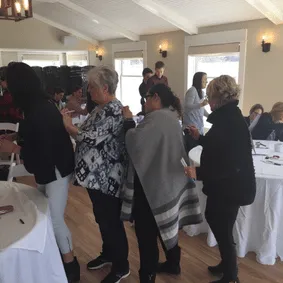
An experiential workshop tailored for organizations navigating change, corporate restructuring, or strategic resets. This program provides an actionable framework for getting the right people in the right seats and aligning your entire workforce toward a unified corporate mission.
In It to Win It — Simulating Agility, Communication, & Competitiveness that builds Energy
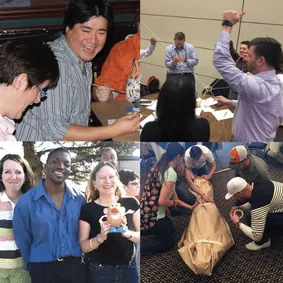
Best in class competitive team based challenge that showcases learning objectives thought memorable activity and content. Your team will engage in a series of events that will showcase your most relevant and important steps forward based on industry research and pre-event intake.
CASE STUDY: Finding the Helpers at the National Gallery of Canada
“I was heading to Ottawa for a keynote shortly after my father passed away. He had left behind two old family paintings that had been passed down for generations, but we knew absolutely nothing about their origins. On a whim, I emailed a random contact at the National Gallery of Canada. After being passed around several departments, I landed on the desk of an art historian.
He didn't just answer my email—he invited me in. I booked off the entire day before my show, and this incredibly kind historian gave me a private tour deep through the gallery's massive, restricted archives, walking rows and rows of boxed art history before reviewing my pieces. They weren't long-lost priceless masterpieces, but he unlocked their true origins for my family.
As Mr. Rogers famously said, 'The world is full of helpers.' But to find them, you have to be willing to lift your head up, take a risk, and actively ask for help. In business, building a resilient culture means training your teams to do exactly that: look up from their silos, trust the experts around them, and have the courage to ask for collaboration.”
Elevating Your Capital Conference Experience
Ottawa is a magnificent, highly accessible destination that seamlessly blends national heritage with an active outdoor lifestyle.
If you are an out-of-province meeting planner coordinating a conference in the region, Tyler loves pointing groups toward the city's finest landmarks. As a passionate folk artist himself, Tyler considers the National Gallery of Canada an absolute must-visit destination, boasting a breathtaking Canadian collection. Whether your attendees want to enjoy a morning biking across Ottawa's extensive trail network, take a scenic walk (or winter skate) along the historic Rideau Canal, or find the perfect venue for an executive dinner, Tyler’s deep familiarity with the city helps you craft a truly memorable East Coast style hospitality experience.
Ensure your next National Capital conference or corporate retreat leaves a lasting impact. Secure a Hall of Fame speaker who understands the local business landscape and delivers elite corporate results.
Book a Consultation for Your Ottawa Event Today
What we do.
We connect 100,000+ qualified prospects looking for financial advice, lending, protection, debt help and claims to advisors and brokers every year.
We will always provide the best service.
We don't launch rockets. We just generate leads from Google, Bing and YouTube, connecting them with your team in real time. And you know what, we're bloody good at it.
Get leads from our existing matured campaigns.
Let us build bespoke lead-gen campaigns in your brand.
Deploy our AI sales androids to boost contact rate.
Utilise our proven systems and technology to increase your return on ad spend.

What We Do
Your proven customer acquisition system that increases conversion rates at every step of the customer journey so you can enjoy record breaking sales.
Effective Lead Generation
Strategically focused on high-intent leads generation tactics from Google, Bing, & YouTube.
Database Reactivation
Turn your old data into fresh appointments and sales, utilising our sales android that never rests.
Appointment Setting
Transform your contact rate and campaign profitability with our appointment setting sales android.
Blog
Your proven customer acquisition system that increases conversion rates at every step of the customer journey so you can enjoy record breaking sales.
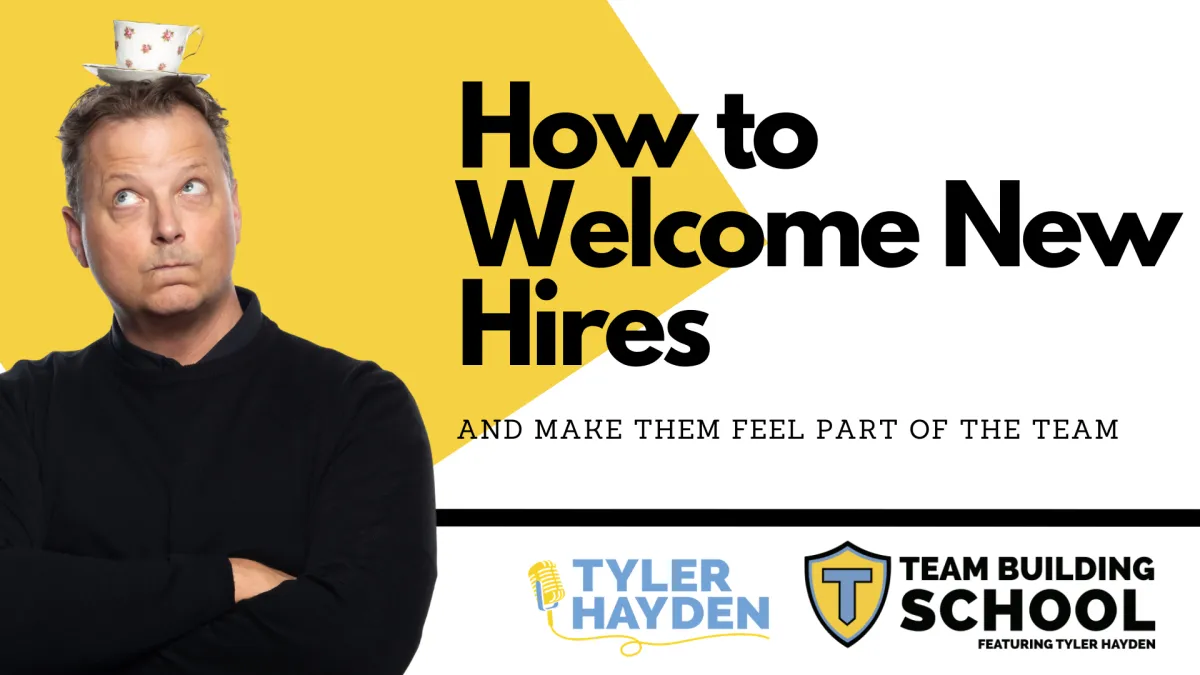
How to Welcome New Hires and Make Them Feel Part of the Team
How to Welcome New Hires and Make Them Feel Part of the Team
By Tyler Hayden CSP, HoF — Hall of Fame Motivational Speaker & Organizational Development Expert
Here's a number worth sitting with: replacing an employee costs roughlyone and a half times their annual salary.
Now ask yourself — how much time and intention does your organization actually put into the first 30 days of someone's employment?
For most companies, onboarding is a checklist. Sign the paperwork. Get the laptop. Find the bathroom. Good luck.
That's not onboarding. That's abandonment with a welcome package.
The organizations that retain great people — that build teams people actually want to stay on — treat onboarding as the beginning of a relationship, not the end of a hiring process. Here's how they do it.
Onboarding Starts Before Day One
Let's get this reframe out of the way immediately:onboarding doesn't start when someone walks in the door on their first day. It starts the moment they enter your hiring process.
How you conduct the interview. How quickly you follow up with the offer. The tone of the email that confirms their start date. All of it is onboarding. All of it is communicating — loudly — what your organization is like to work for.
Think about the Savannah Bananas. From the moment someone considers buying a ticket, through ordering, through arriving at the stadium, they're made to feel like a raving fan. Every touchpoint is intentional. Every moment builds the experience.
Your new hire's journey should feel the same way.
Great organizations send awarm, personalized pre-onboarding emailbefore day one — not a form, not a link to a policy manual, but a genuine message that builds anticipation and excitement. They send afirst-week scheduleso the new hire knows exactly what to expect day by day. They remove the anxiety of the unknown before it has a chance to set in.
And here's one of the most underrated moves in onboarding:the personalization survey. Send it a week before they start. Ask simple questions — their t-shirt size, their coffee order, their preferred way to learn. Use the answers to customize their first day without spending a dime of extra timeonthat first day. It signals something powerful:we were thinking about you before you even got here.
The Biggest Mistake Organizations Make
Ask most managers what their onboarding process looks like and they'll describe systems, platforms, and paperwork.
Ask the new hire what their first week felt like, and they'll describe confusion, isolation, and quietly wondering if they made a mistake.
The gap lives here:no one assigned them a person.
Not a handbook. Not a portal. Ahuman— a single, dedicated point of contact who knows them, checks in on them, and answers the questions that aren't in any manual. I call this person theStrategic Mentor.
The Strategic Mentor: More Than a Buddy
A buddy system is nice. A strategic mentoring program is transformational.
The distinction matters. A buddy shows you where the coffee machine is. AStrategic Mentorhas a deliberate, structured plan for your first 30 days — benchmarked against the real learning needs and milestones of your role.
In my book14 Minute Mentor, I lay out a framework for exactly this: how to distill what an employee needs in order to reach the next level, and how to deliver it in focused, intentional increments. The goal is simple —help new hires learn faster, make fewer mistakes, and have a safer, happier experience as they enter the company.
A great Strategic Mentor helps the new hire understand not just the written rules, but theunwrittenones. The culture. The quirks. Who to go to for what. Where the landmines are. That's the kind of insider knowledge that takes most people 6 months to acquire on their own — and causes a lot of avoidable friction in the meantime.
Pair the Strategic Mentor relationship with apeople-to-meet list— a curated set of introductory coffee chats with key people across the organization, from administration to sales to HR. Help your new hire understand who's who before they need to know.
The Team's Role (And Why Most Managers Miss This)
Here's something most organizations completely overlook:when a new person joins, the group dynamics of the entire team change.
Which means onboarding isn't just about the new hire. It's an opportunity — and a responsibility — to reorient the whole team to one another.
The manager's job in that moment isn't just to introduce the new person. It's to create a container where existing team members rediscover each otherthroughthe lens of this new relationship. Long-tenured teammates share things about themselves that the new person doesn't know yet — and in doing so, often rekindle connections with colleagues they've stopped really seeing.
New people bring new dynamics. New perspectives. New skill combinations that didn't exist before.A new hire isn't a disruption to your team's chemistry — they're an upgrade to it, if you're intentional about the introduction.
Give the whole team a reason to lean in, not just the new person.
The First Team Meeting: Don't Wing It
The first team meeting a new hire attends is a pivotal moment — and most managers treat it like any other meeting.
That's a missed opportunity.
Every manager should have arepeatable template for how they run a team meeting when someone new joins.Not just for the new hire's benefit — but so the existing team knows what to expect. It becomes a cultural ritual. It signals:this is how we welcome people here.
What goes into that template? It starts with understanding how your new hire is wired.
If they're aninterpersonal learner, give them the spotlight. Let them share. They'll light up.
If they're anintrapersonal learner, don't throw them center stage on day one. Give them space to observe, to absorb, to participate on their own terms.
The goal isn't a performance — it's anauthentic introduction. A moment where the new person feels genuinely visible, without being put on the spot in a way that makes them want to disappear.
Get that right, and your first meeting doesn't just welcome a new hire — it strengthens the whole team.
What Great Onboarding Actually Creates
When organizations get all of this right — the pre-boarding touchpoints, the Strategic Mentor, the team reorientation, the personalized first week — something remarkable happens.
New hires don't juststarta job. They join something.
They see a path forward. They feel connected without it feeling forced. They understand that their skills have value and that the organization invested in them before they ever produced a single deliverable.
That's stickiness. That's what turns a new employee into someone who refers their friends, defends the company in conversations, and chooses to stay when recruiters come knocking.
The organizations that do this well aren't spending more money. They're being more intentional with the time they already have.
The ones that don't? They're spending one and a half times a salary to replace someone who might have stayed — if someone had just made them feel like they belonged.
Your Monday Morning Checklist
Before your next new hire walks in the door:
✅ Send a warm, personalized pre-boarding email (not a form)
✅ Send a personalization survey at least one week before start date
✅ Provide a first-week schedule so there are no surprises
✅ Assign a Strategic Mentor — not just a buddy
✅ Build a people-to-meet list and schedule introductory coffee chats
✅ Create a repeatable first-meeting template for your team
✅ Reorient yourwhole teamto each other, not just to the new person
✅ Give the new hire space to try, fail, and come back stronger
Fun is the delivery. Better teams and energy on Monday is the point.
If you want a fully built strategic mentoring framework for your organization — or want to bring a customized onboarding and team building experience to your team —book a discovery calland let's talk.
And if you're a manager looking for ready-to-use team building tools that actually connect to real learning outcomes, check outTeam Building SchoolandRubber Chicken AI.
Tyler Hayden CSP, HoF is Canada's Hall of Fame Motivational Speaker, author of 25+ books including the 14 Minute Mentor, and founder of Team Building School and Rubber Chicken AI. He helps Canadian organizations build teams that people actually want to be part of.


Check Tyler's Availability for Your Next Event
Grab a time to connect or shoot us an email.

Motivational Speaker & Team Building
Shop, Learn, and Explore
Follow Us & Join the Conversation


Motivational Speaker & Team Building in Canada
Hot Topics for Motivational Speaker in Canada
© 2026 Tyler Hayden Inc. All rights reserved.